In today’s fast-evolving industrial landscape, manufacturing ERP systems are no longer optional—they’re essential. These powerful platforms streamline operations, boost efficiency, and empower data-driven decisions across the production floor and beyond.
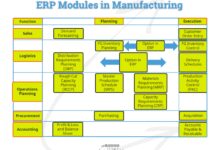
What Are Manufacturing ERP Systems?

At their core, manufacturing ERP (Enterprise Resource Planning) systems are integrated software platforms designed to manage and streamline all aspects of a manufacturing business. From inventory and supply chain management to production scheduling and financial reporting, these systems act as the central nervous system of a modern factory.
Core Definition and Functionality
Manufacturing ERP systems consolidate data from various departments—production, procurement, sales, HR, and finance—into a single, unified database. This integration eliminates data silos, reduces redundancy, and ensures that everyone in the organization works from the same real-time information.
- Centralized data management for end-to-end visibility
- Automated workflows to reduce manual errors
- Real-time reporting and analytics for strategic planning
Unlike generic ERP systems, manufacturing-specific ERPs include modules tailored to production environments, such as Bill of Materials (BOM) management, shop floor control, and quality assurance.
Evolution from Traditional to Modern ERP
ERP systems have come a long way since their origins in Material Requirements Planning (MRP) systems of the 1960s. Early MRP systems focused solely on inventory and material planning. By the 1980s, MRP II emerged, adding capacity planning and scheduling. The 1990s saw the rise of full-fledged ERP systems that integrated financials and human resources.
Today’s manufacturing ERP systems are cloud-native, AI-enhanced, and IoT-connected. They leverage technologies like machine learning for predictive maintenance, real-time dashboards for operational visibility, and mobile access for remote monitoring.
“Modern manufacturing ERP systems are not just about efficiency—they’re about resilience, agility, and future-proofing your operations.” — Gartner Research, 2023
Key Features of Manufacturing ERP Systems
The most effective manufacturing ERP systems offer a comprehensive suite of features designed to address the unique challenges of production environments. These features ensure seamless coordination between planning, execution, and delivery.
Production Planning and Scheduling
One of the most critical functions of manufacturing ERP systems is production planning. These systems use real-time data on inventory levels, machine availability, and order demand to create optimized production schedules.
- Finite and infinite capacity planning
- Automated work order generation
- Sequencing and dispatching rules for efficient shop floor flow
Advanced systems integrate with MES (Manufacturing Execution Systems) to provide real-time feedback from the shop floor, enabling dynamic rescheduling in response to machine downtime or material delays.
Inventory and Supply Chain Management
Effective inventory control is vital for minimizing carrying costs while avoiding stockouts. Manufacturing ERP systems provide tools for demand forecasting, reorder point calculation, and vendor-managed inventory (VMI).
- Real-time inventory tracking across multiple warehouses
- Automated purchase order generation based on MRP outputs
- Supplier performance tracking and risk assessment
Integration with supply chain partners via EDI (Electronic Data Interchange) or API connections ensures seamless communication and faster response times. For example, SAP’s ERP solutions offer deep integration with global logistics networks, enhancing supply chain visibility (SAP ERP).
Quality Control and Compliance
In regulated industries like pharmaceuticals, aerospace, and food & beverage, compliance is non-negotiable. Manufacturing ERP systems include robust quality management modules that support ISO, FDA, and other regulatory standards.
- Automated quality inspection workflows
- Non-conformance tracking and corrective action (CAPA) management
- Batch and lot traceability for full product genealogy
These systems can trigger alerts when quality thresholds are breached and generate audit-ready reports, reducing the risk of regulatory fines and product recalls.
Benefits of Implementing Manufacturing ERP Systems
Organizations that adopt manufacturing ERP systems often experience transformative improvements in efficiency, accuracy, and strategic decision-making. The benefits extend across departments and throughout the product lifecycle.
Improved Operational Efficiency
By automating routine tasks such as data entry, order processing, and inventory updates, ERP systems free up valuable employee time for higher-value activities. Automated workflows reduce bottlenecks and ensure consistent process execution.
- Reduction in manual errors by up to 70% (per Aberdeen Group)
- Faster order-to-cash and procure-to-pay cycles
- Streamlined communication between departments
For instance, a discrete manufacturer using Oracle’s ERP Cloud reported a 40% reduction in production planning time after implementation (Oracle ERP).
Enhanced Data Accuracy and Real-Time Insights
One of the biggest challenges in manufacturing is data fragmentation. Spreadsheets, legacy systems, and paper-based logs lead to inconsistent and outdated information. Manufacturing ERP systems eliminate this by providing a single source of truth.
- Real-time dashboards showing KPIs like OEE (Overall Equipment Effectiveness)
- Automated reporting for financial, operational, and compliance metrics
- Drill-down capabilities for root cause analysis
With accurate data at their fingertips, managers can make faster, more informed decisions—whether it’s adjusting production schedules or identifying underperforming suppliers.
Scalability and Business Growth Support
As businesses grow, their operational complexity increases. Manufacturing ERP systems are designed to scale with the organization, supporting new product lines, additional facilities, and expanded markets.
- Multi-site and multi-currency support
- Modular architecture allowing phased implementation
- Cloud-based deployment for rapid scalability
Cloud ERP solutions like NetSuite offer built-in scalability, enabling mid-sized manufacturers to expand globally without overhauling their IT infrastructure (NetSuite Manufacturing ERP).
Types of Manufacturing ERP Systems
Not all manufacturing ERP systems are created equal. The right choice depends on the type of manufacturing process, company size, and industry-specific requirements. Understanding the different types helps organizations select the most suitable solution.
Discrete vs. Process Manufacturing ERP
Discrete manufacturing involves assembling distinct parts into finished products—like cars, electronics, or machinery. ERP systems for discrete manufacturing emphasize Bill of Materials (BOM), work orders, and assembly tracking.
Process manufacturing, on the other hand, deals with formulas and recipes—such as in chemicals, food, or pharmaceuticals. These ERP systems focus on batch control, yield management, and ingredient traceability.
- Discrete ERP: Tracks individual components and serial numbers
- Process ERP: Manages formulas, batch sizes, and co-products
- Hybrid ERP: Supports both models for companies with mixed operations
For example, Plex ERP by Rockwell Automation is specifically designed for process and hybrid manufacturers, offering deep functionality for batch processing and compliance (Plex Manufacturing ERP).
Cloud-Based vs. On-Premise ERP Solutions
The deployment model is another critical decision point. On-premise ERP systems are hosted on the company’s own servers, offering full control over data and customization. However, they require significant upfront investment and ongoing IT maintenance.
Cloud-based ERP systems are hosted by the vendor and accessed via the internet. They offer faster deployment, automatic updates, and lower total cost of ownership (TCO).
- Cloud ERP: Ideal for SMEs and companies seeking agility
- On-Premise ERP: Preferred by large enterprises with strict data governance needs
- Hybrid ERP: Combines on-premise core with cloud extensions
A 2023 survey by Statista found that 68% of mid-sized manufacturers now prefer cloud ERP due to its scalability and remote accessibility.
Industry-Specific ERP Customizations
Generic ERP systems often fall short in highly specialized industries. Industry-specific manufacturing ERP systems come pre-configured with workflows, compliance templates, and reporting tools tailored to sectors like aerospace, medical devices, or automotive.
- Aerospace ERP: Supports AS9100 compliance and complex BOMs
- Food & Beverage ERP: Includes allergen tracking and shelf-life management
- Pharmaceutical ERP: Ensures FDA 21 CFR Part 11 compliance
These customizations reduce implementation time and ensure regulatory adherence from day one.
Top Manufacturing ERP Systems in 2024
The market for manufacturing ERP systems is crowded, but several platforms stand out due to their functionality, reliability, and customer satisfaction. Here’s a look at the leading solutions shaping the industry.
SAP S/4HANA Manufacturing
SAP S/4HANA is a next-generation ERP suite built on an in-memory database, enabling real-time processing and analytics. Its manufacturing module supports discrete, process, and hybrid production with advanced planning and execution capabilities.
- Real-time production monitoring and predictive analytics
- Integration with SAP Digital Supply Chain and IoT platforms
- AI-driven demand forecasting and capacity planning
SAP is widely used by large multinational manufacturers and offers extensive customization options. However, implementation can be complex and costly, often requiring third-party consultants.
Oracle Cloud ERP for Manufacturing
Oracle’s cloud-based ERP solution offers a comprehensive suite for manufacturing, including financials, procurement, project management, and supply chain. Its strength lies in AI-powered automation and embedded analytics.
- Machine learning for predictive maintenance and quality control
- Automated financial close and compliance reporting
- Global supply chain visibility with blockchain integration
Oracle is particularly strong in discrete manufacturing and is used by companies like Toyota and Boeing. Its cloud-native architecture ensures rapid updates and high scalability.
Microsoft Dynamics 365 for Finance and Operations
Microsoft Dynamics 365 combines ERP and CRM functionalities in a unified platform. Its manufacturing module supports both process and discrete manufacturing with deep integration into Microsoft’s ecosystem.
- Tight integration with Power BI for advanced analytics
- Seamless connectivity with Microsoft Teams and Office 365
- Flexible deployment options: cloud, on-premise, or hybrid
Dynamics 365 is ideal for mid-sized manufacturers already using Microsoft products. It offers a user-friendly interface and strong support for lean manufacturing principles.
Challenges in Implementing Manufacturing ERP Systems
Despite their benefits, implementing manufacturing ERP systems is not without challenges. Organizations must navigate technical, cultural, and financial hurdles to ensure a successful rollout.
Data Migration and System Integration
One of the most complex aspects of ERP implementation is migrating data from legacy systems. Incomplete or inaccurate data can undermine the entire system’s effectiveness.
- Data cleansing and validation are critical before migration
- Integration with existing MES, PLM, and CRM systems requires API expertise
- Real-time synchronization between systems must be ensured
Best practice: Conduct a data audit and establish a master data management (MDM) strategy before implementation.
Employee Resistance and Change Management
Employees often resist ERP adoption due to fear of job loss, unfamiliarity with new processes, or poor training. Without proper change management, even the best ERP system can fail.
- Involve end-users early in the selection and design process
- Provide role-based training and ongoing support
- Appoint internal champions to drive adoption
A study by Panorama Consulting found that 75% of ERP projects face user resistance, making change management a top priority.
Cost and ROI Considerations
ERP implementations can be expensive, with costs ranging from $50,000 for small businesses to millions for large enterprises. Hidden costs include consulting fees, customization, training, and downtime.
- Cloud ERP reduces upfront costs but may have higher long-term subscription fees
- ROI should be measured over 3-5 years, not immediately
- Key ROI drivers: reduced inventory, faster production cycles, lower labor costs
Best practice: Develop a clear business case with measurable KPIs before starting the project.
Future Trends in Manufacturing ERP Systems
The future of manufacturing ERP systems is shaped by digital transformation, artificial intelligence, and sustainability demands. Forward-thinking manufacturers are already adopting next-gen technologies to stay competitive.
AI and Machine Learning Integration
AI is revolutionizing manufacturing ERP systems by enabling predictive analytics, intelligent automation, and self-optimizing processes.
- Predictive maintenance: AI analyzes sensor data to forecast machine failures
- Smart scheduling: Machine learning optimizes production sequences based on historical performance
- Automated quality inspection using computer vision
For example, Siemens’ Teamcenter with AI capabilities can simulate production scenarios and recommend optimal configurations.
IoT and Real-Time Monitoring
The Internet of Things (IoT) connects machines, sensors, and ERP systems in real time. This integration allows for continuous monitoring of equipment performance, energy consumption, and product quality.
- Real-time OEE tracking across production lines
- Automated alerts for machine downtime or quality deviations
- Energy usage optimization for sustainability goals
GE Digital’s Predix platform integrates with ERP systems to provide industrial IoT insights, improving asset utilization by up to 25%.
Sustainability and Green Manufacturing
As environmental regulations tighten, manufacturing ERP systems are evolving to support green initiatives. New modules track carbon emissions, energy usage, and waste generation.
- Carbon footprint reporting for ESG compliance
- Waste reduction through optimized material usage
- Sustainable sourcing and supplier sustainability scoring
Companies like Unilever use ERP systems to monitor and report on their sustainability KPIs, aligning with global climate goals.
How to Choose the Right Manufacturing ERP System
Selecting the right ERP system is a strategic decision that requires careful evaluation. A structured approach ensures alignment with business goals and long-term success.
Assessing Business Needs and Goals
Start by defining your organization’s pain points, growth objectives, and operational priorities. Is the goal to reduce inventory costs? Improve on-time delivery? Expand into new markets?
- Conduct a cross-functional workshop to gather requirements
- Prioritize must-have vs. nice-to-have features
- Define success metrics for the ERP project
A clear understanding of needs prevents overbuying or underbuying functionality.
Evaluating Vendor Options and Demos
Shortlist 3-5 vendors based on industry fit, scalability, and customer reviews. Request live demonstrations focused on your key workflows—don’t just watch generic presentations.
- Ask vendors to demo your actual processes (e.g., order fulfillment, production scheduling)
- Evaluate user interface and ease of use
- Check references from similar-sized companies in your industry
Platforms like Gartner Peer Insights and Capterra offer unbiased user reviews to guide selection.
Implementation Planning and Timeline
A well-structured implementation plan is critical. Break the project into phases—starting with core finance and inventory, then adding production and quality modules.
- Assign a dedicated project manager and cross-functional team
- Set realistic timelines (6-18 months for full rollout)
- Plan for data migration, testing, and user training
Agile methodologies are increasingly used for ERP implementations, allowing for iterative improvements and faster value realization.
What are manufacturing ERP systems?
Manufacturing ERP systems are integrated software platforms that manage core business processes in a manufacturing environment, including production planning, inventory control, supply chain management, and financial reporting. They provide real-time data and automation to improve efficiency and decision-making.
What are the benefits of using a manufacturing ERP system?
Key benefits include improved operational efficiency, enhanced data accuracy, better compliance and quality control, reduced inventory costs, and support for business scalability. These systems also enable real-time insights and faster response to market changes.
How much does a manufacturing ERP system cost?
Costs vary widely based on company size and deployment model. Small manufacturers may pay $50,000–$150,000 for cloud ERP, while large enterprises can spend millions on on-premise solutions. Ongoing costs include subscriptions, maintenance, and support.
What is the difference between discrete and process manufacturing ERP?
Discrete manufacturing ERP is designed for assembling distinct parts (e.g., cars, electronics), focusing on BOMs and work orders. Process manufacturing ERP handles formulas and batches (e.g., food, chemicals), emphasizing yield management and batch traceability.
How long does it take to implement a manufacturing ERP system?
Implementation timelines range from 6 months for small cloud ERP deployments to 18+ months for large, complex on-premise systems. Factors include data migration, customization, integration, and user training.
Manufacturing ERP systems are no longer just tools for efficiency—they are strategic enablers of growth, innovation, and sustainability. From streamlining production workflows to providing real-time business intelligence, these platforms empower manufacturers to thrive in a competitive global market. As technology evolves, the integration of AI, IoT, and green manufacturing practices will further enhance their value. The key to success lies in choosing the right system, planning a disciplined implementation, and fostering organizational buy-in. With the right approach, manufacturing ERP systems can transform operations and drive long-term success.
Further Reading:
